
Tracking Chautauqua County Recent Arrests
People held in the Chautauqua County Jail show up first on the Chautauqua County Sheriff prisoner page. It is the official starting point for custody questions. Despite its real-time label, it lists who is in custody now, not everyone arrested on a given day. It skips anyone under 19 and all federal prisoners. A new arrest can also sit in processing before it reaches the public system. The county publishes no dependable 24-hour booking feed with firm date limits. So the two practical routes split by question. The same-day approach checks what is live right now. The multi-day approach follows official bulletins and dated local news coverage.
| View | What it covers | Best use |
|---|---|---|
| Sheriff prisoner roster | People shown in current jail custody, subject to stated exclusions and lag | Confirm present custody |
| Arrested Today | A same-day method when no official fixed 24-hour feed exists | Follow a fresh arrest through intake |
| Arrest Reports | Official bulletins plus dated, selective local reporting | Review several days and older posts |
The Arrested Today guide handles the short window honestly, without treating the roster as a full daily log. For a wider publication window, Arrest Reports sits in the main navigation.
Searching the Chautauqua County Jail Roster
Sheriff servers build the official roster. A loading message may greet you before any booking cards render. A legacy version of the page shows what a card can hold: sometimes a photograph, sometimes a no-photo fallback. That older page mixes booking dates from several years. It plainly is not a last-24-hours report. For current Chautauqua County Jail custody, the official prisoner interface is the public route.
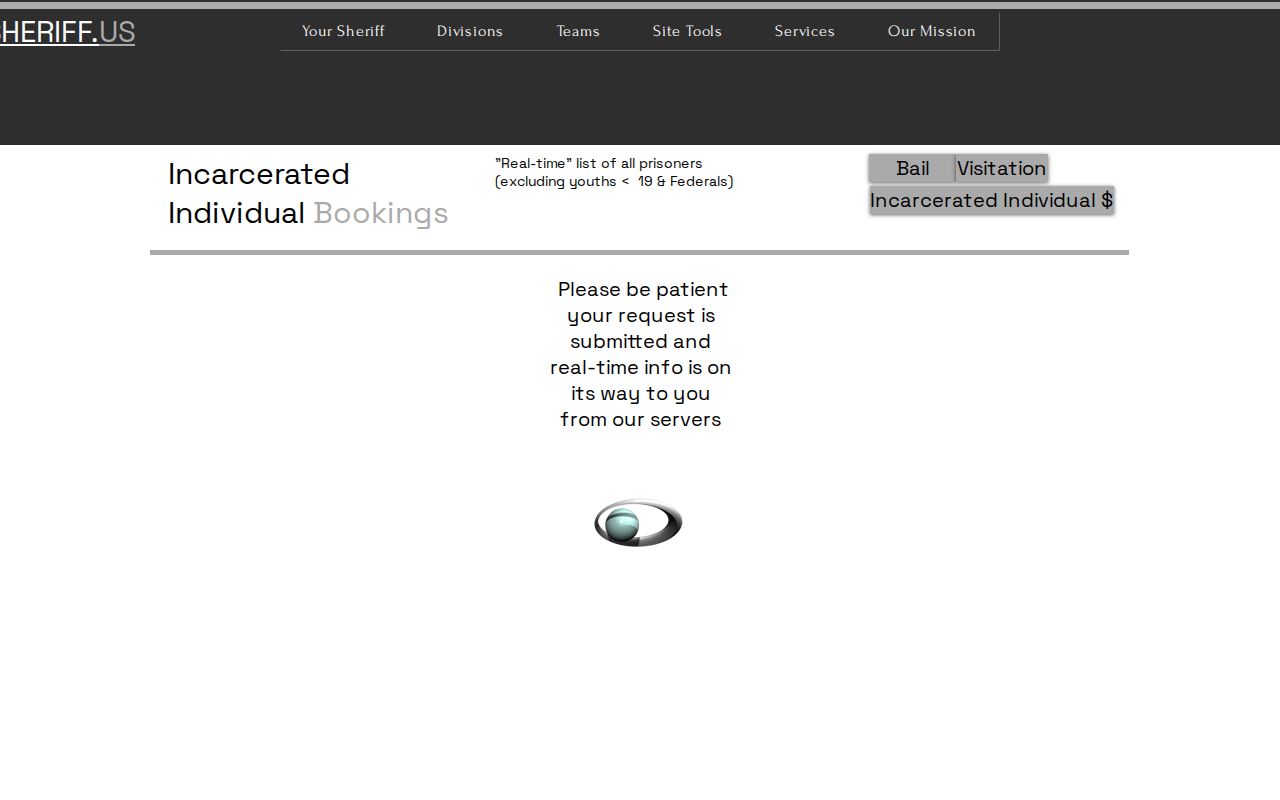
The page itself carries its own warnings. It is a custody lookup, not a fixed list of names or a photo gallery.
| Roster item | How to read it |
|---|---|
| Name and age | Identity clues that still require care with similar names |
| Booking date and time | The intake timestamp, which may differ from arrest time |
| MFN | A county booking identifier useful in follow-up requests |
| Charges | Charges entered at booking, not findings of guilt |
| Bail display | A value of 0.0000 means bail is not set or the person is sentenced |
| Photo or fallback | An image may be present, but absence does not change custody status |
Begin with the exact spelling of the name. Age, booking time, and MFN matter more than a face. A blank result can mean processing lag. It can also mean a release, an under-19 or federal exclusion, or custody in another system entirely. For direct confirmation, call the Sheriff's Records Office at 716-753-4442 or the jail at 716-753-4935.
Note: A roster card can disappear after release while an agency, identification, or court record remains.
Where Chautauqua County Arrest Information Appears
Every source runs on its own clock. The sheriff roster leads for current custody. Sheriff media bulletins are official but pick and choose. City police pages often stick to department news or yearly statistics, with no live city arrest feed. Local news blotters help fill date gaps, though editors choose what to print, making them a partial secondary account.
| Channel | Official? | Photo practice and access |
|---|---|---|
| Sheriff prisoner roster | Yes | Live cards may carry a photo or fallback |
| Sheriff media bulletins | Yes | Selective reports, not a complete booking stream |
| Jamestown and Dunkirk police | Yes | Agency contacts, reports, releases, and statistics; no separate live roster found |
| New York Courts | Yes | Case and disposition information, not a mugshot feed |
| Chautauqua Today, Post-Journal, Observer, WNY News Now | No | Dated and selective stories; images may be scene or agency photos |
The Sheriff’s official media bulletin page is recognizable by its county-branded, scrolling presentation.
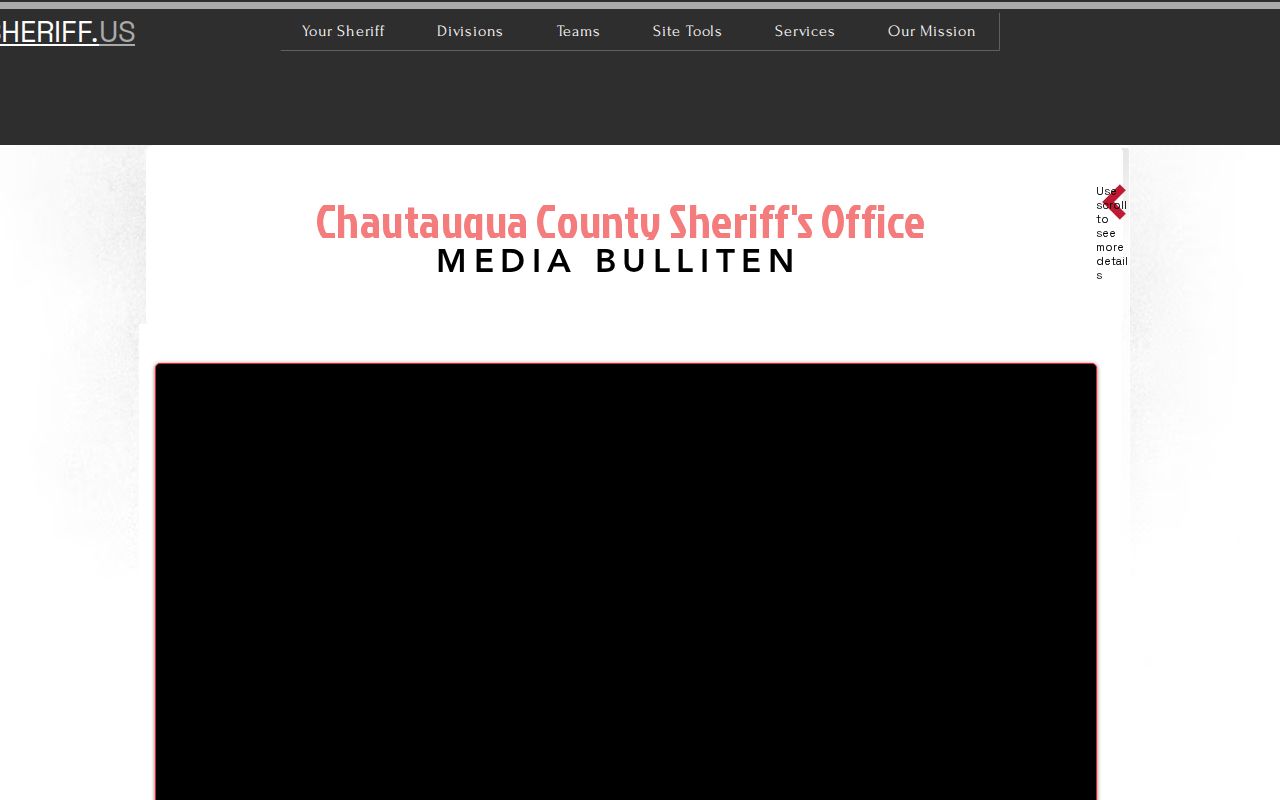
Trust the date and agency wording on a bulletin itself. Then check it against the roster or a court record rather than assuming every arrest got covered.
Why a New Arrest May Not Appear
An arrest is a chain of events. Incident, arrest, transport, booking, arraignment, and public posting each happen at a different moment. The county's centralized arraignment process can push a person through several stages. Custody settles only after that. Jamestown Police may hold someone in the city jail until arraignment. In Dunkirk, city police often process an arrest before any transfer to the county jail. A roster miss in that window proves nothing. The arrest may still have happened.
- Check the official sheriff roster for current county-jail custody.
- Check the arresting agency’s official page or bulletin for a dated release.
- Use VINE for one person’s custody status and later change alerts.
- Contact the Sheriff’s Records Office when online sources do not resolve the question.
- Use the identified court for the disposition, because charges may change.
The sheriff also posts iOS and Android app listings. The app reportedly includes an Appriss Safety inmate search plus status notifications. Bail, visitation, commissary, wanted, and tip tools ride along too. Registration steps get explained in the VINE Arrest Check guide. The limits of alert data are covered there too.
Recent Arrests by City in Chautauqua County
Chautauqua County has exactly two cities: Jamestown and Dunkirk. Mayville appears here as the county seat, not a third city. Each local page tracks the agency that writes the first report and notes when the county jail roster takes over as the controlling custody source.
Jamestown Police maintains a department page and annual reports but no separate live public arrest log. City custody can come before any county roster entry.
Dunkirk Police works through department information, press releases, and FOIL requests. The county roster tracks jail custody, not every step of city processing.
The village has no separate police department of its own. Sheriff jail, warrant, bulletin, and records channels serve as the main official paths.
What a Chautauqua County Booking Record Shows
A booking record documents intake into custody. That is its whole job. It ties a name to an intake time, an agency, the alleged charges, bail status, and a county identifier. What happened later in court lives in the court file.
| Field | Meaning and limit |
|---|---|
| Name, age, descriptors | Identification details captured at one point in time |
| Booking date and time | Jail intake time, not necessarily arrest time |
| MFN or booking number | A local key that can sharpen a request |
| Arresting agency | The sheriff or police department that initiated the case |
| Charges and counts | Booked charges that may later change or be dismissed |
| Bail and custody | A snapshot that can change after court action |
| Booking photograph | An identification image subject to publication and disclosure limits |
Released people drop off the live roster. The agency record, the court file, and any archive follow different retention rules. Anyone sent to state prison afterward belongs in the New York DOCCS lookup instead of the county roster.
Requesting a Chautauqua County Arrest Record
For a county booking record, the Sheriff's Records Office is the practical first call. New York's Freedom of Information Law covers agency records. But it does not make every line public. The county FOIL form allows inspection, copies, or electronic delivery. Published copy fees run 25 cents per page; no booking-photo-specific price or turnaround gets posted.
- Identify the record with full name, approximate booking date, arresting agency, and MFN when known.
- Ask for the booking sheet, charge and bail entries, release information, and photograph as distinct items.
- Send the request to the Sheriff’s Records Office or use the county FOIL form and ask for an electronic copy.
- If material is withheld, request the cited legal basis and written appeal instructions.
- For a city arrest, request police incident and arrest records from that city separately.
FOIL requests can start with the county Law Department. That office sits at 3 North Erie Street, Mayville, NY 14757, and the form itself spells out a 30-day appeal route. Jamestown takes a different route. The city offers an online FOIL process and names a records access officer. Dunkirk's FOIL page routes police requests by email. Remember that an initial police report and a later jail booking are two different records, so name the one you need.
Note: Ask for a written response when access is denied; a missing online card is not a formal FOIL decision.
Chautauqua County Mugshots and Arrest Photos
The sheriff's older booking system paired text data with a photo on each card. No photo meant a fallback appeared. That habit does not promise every booking image gets released. Public Officers Law §89(2)(b)(viii) treats disclosure of law-enforcement arrest and booking photos as an unwarranted invasion of privacy. That rule holds in most cases. Release must serve a specific law-enforcement purpose. No other law can bar it either. The legacy official booking page shows the pattern while the statute governs what leaves the file.

Only the interface itself is displayed. This page collects no faces, names, or cards. New York DOCCS photographs everyone entering state prison, yet its public incarcerated-person lookup is not a mugshot gallery. A separate photo request triggers its own records work and legal review. Federal Bureau of Prisons results confirm federal custody. They never serve as a county photo source.
New York Arrest-Record Law and Corrections
Fix an error at its source. A wrong sheriff booking card belongs with the sheriff or the Records Office, while a wrong police item goes to that city agency. Court outcomes come from the court clerk. When a live source changes or vanishes, Google offers an outdated-content refresh process, though that tool never alters the government record.
FOIL: New York's agency-record access process. Sealing: A legal access restriction rather than ordinary web removal. Disposition: The court's outcome, which can differ from booking charges, while retention covers how long an agency keeps a record, not how long it displays it online.
CPL §160.50 governs sealing after favorable termination. CPL §160.59 allows limited conviction sealing. New York has no broad expungement erasing every trace. A publisher's no-fee correction policy can help once the official source is checked. No payment is needed to use an agency, court, or search-engine process. Beware any promised guaranteed result.
State Archives LGS-1 schedules draw a separate line. Some arrest summary logs stay permanent, while case files and identification records carry category-specific periods under their own conditions, and digital mugshot files follow the matching period when no official hard copy exists. Retained, visible online, available under FOIL, and open in an archive are four different statuses.
Chautauqua County Arrest Warrants and Wanted List
A warrant is not a booking. The Sheriff splits warrant navigation from its ten-featured-wanted page. The warrant route ties together an alphabetical or agency view, a court phone list, tips, and featured entries. The featured page posts an anonymous information form and the tip line 716-753-4907. Do not apprehend anyone. The official ten-featured-wanted page carries the current safety wording and the tip route.
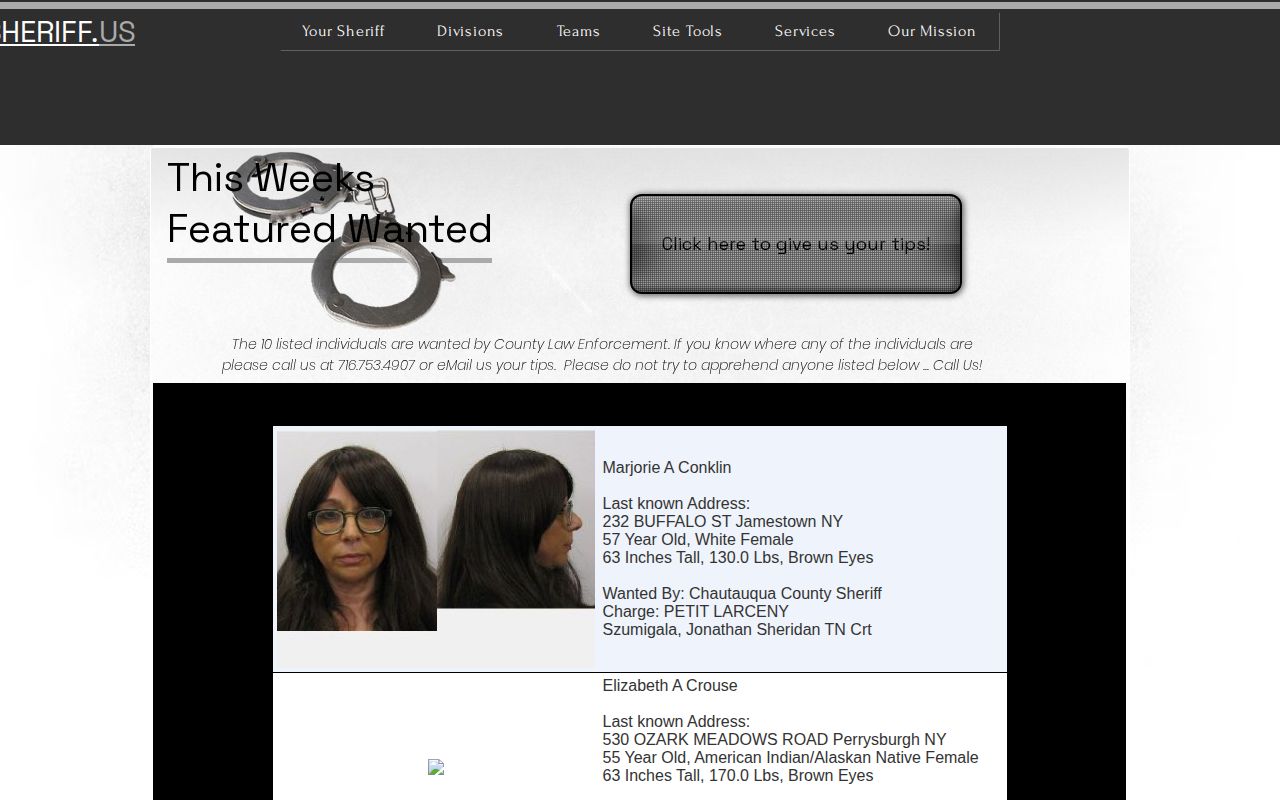
Warrant status changes fast. Check the live official page instead of a cached copy, and never approach or try to detain anyone listed there. A listing may carry a charge, court, agency, description, and a photo or a no-image marker, yet it cannot confirm current jail custody on its own. Similar names trip people up. Confirm any match through the named court or sheriff.
What Follows a Chautauqua County Arrest
After arrest, several things can happen. A person may be released, held for arraignment, transferred, or kept in county custody. Centralized arraignment explains the mix. The arresting city, the arraigning court, and the holding facility can all differ, which makes the booking record a starting event rather than the end of the case.
| Status | Best official path |
|---|---|
| Just arrested or processing | Arresting agency, then sheriff roster after intake |
| Currently in county jail | Sheriff prisoner roster and jail contact |
| Released or transferred | VINE alerts, Records Office, and court |
| Sentenced to state prison | New York DOCCS lookup |
| Federal custody | Federal Bureau of Prisons locator, not county roster |
New York Courts e-Courts and the Chautauqua County Court page help pin down the court layer. Statewide criminal-history searches skip sealed matters. They can also show older town and village gaps. When the outcome matters, identify the court from the appearance record and ask its clerk for a certificate of disposition.
Withheld Records and Custody Boundaries
The public sheriff roster excludes two groups. Youths under 19 and federal prisoners stay off it. Juvenile records follow special rules, and favorable-termination sealing can also change what an agency may disclose. An old copy still indexed on a third-party page or news archive never justifies republishing a juvenile or sealed entry.
Immigration custody runs on a separate system. The ICE Online Detainee Locator takes an A-number and country of birth, or exact biographical details. It does not search all recent county arrests. An absence there establishes nothing. The U.S. Marshals Service limits booking-photo disclosure too. A federal image cannot be assumed available through county FOIL.
The county announced the I.G.N.I.T.E. education and rehabilitation program in 2023 and state accreditation in 2025. Those facts describe the jail as an institution, not any person's booking, charge, photo, or release decision.
Older Chautauqua County Arrest Reports
Material no longer online needs a focused written request. Send it to the Sheriff's Records Office or the county records-access officer. List the full name, date range, and record type. Add the MFN when known. Ask where the file stands, since it may remain with the sheriff, sit in a records center, be sealed or destroyed, or be withheld under a named law. For context, the New York State Archives law-enforcement schedule separates permanent arrest summaries from time-limited case and identification files.
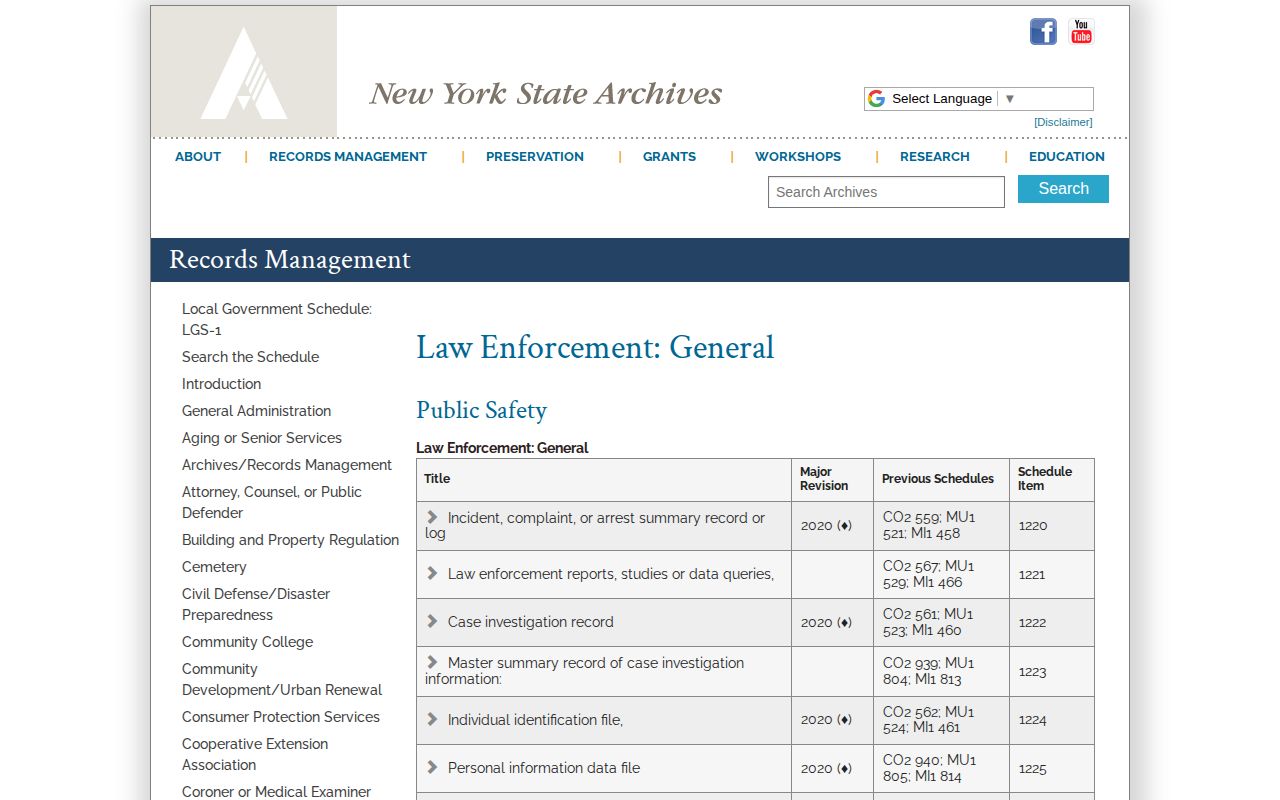
The retention schedule is only a guide. A roster card can vanish from the web long before its retention window closes. Consider it a rough rule, not a promise. For older court material, the Unified Court System's Chautauqua historical-record page is the best place to start. Newspaper archives sometimes keep a dated arrest report alive after the roster entry rolls off. Just remember the clipping is not an official booking-photo archive. Confirm details with the agency and the court.
Keep any archive request tight and specific. Name the booking you want and ask whether the county still holds it. Give the approximate date. Include the MFN if you have one. Request an electronic copy whenever the record is releasable. When a file has moved elsewhere, the receiving office can tell you what it holds. If the record was destroyed, sealed, or withheld, ask the county to say so in writing. Have them cite the authority behind that status. A narrow request like this beats asking vaguely for every photograph on file. It gives the records officer enough detail to locate the right series. It also keeps a jail booking file distinct from an arrest summary log. That separates it from a police case file and the court record itself.
Public Record Search
Sponsored Results